If you’re reading this, I know that you know the value of strength training. Especially if you’re over 50. So, first off, congratulations. However, to get the most out of strength training at 50, 60, 70 or more, you must eat right and supplement. A good diet makes sense. But why is strength training diet AND supplementation necessary?

As men move past 50, the body naturally undergoes hormonal, metabolic, and recovery changes that can make it harder to build and maintain muscle through training alone, which is why smart supplementation becomes especially valuable. Testosterone, growth hormone, and protein synthesis rates gradually decline with age, while muscle breakdown, joint wear, and inflammation tend to increase. This means that the same workouts that once produced gains may now lead to slower progress or longer recovery.
Supplements such as high-quality protein, essential amino acids, creatine, electrolytes, and targeted micronutrients can help fill nutritional gaps, support muscle repair, preserve lean mass, enhance workout performance, and protect joints and connective tissue. When combined with consistent resistance training and proper hydration, supplementation isn’t about shortcuts—it’s about supporting the body’s changing physiology so men over 50 can continue to train hard, recover well, and stay strong and energetic for the long term.
Strength Training Options
I like lifting weights. It’s what I’ve done since prior to high school. It’s what I know. But if you aren’t into lifting, there are many other forms of strength training available.
- Body Weight Training - (push-ups, squats, step-ups) builds strength while improving coordination and mobility.
- Isometric Training (holding positions like wall sits or plank variations) strengthens muscles and tendons with minimal joint stress.
- Resistance Band Training provides smooth, joint-friendly tension that’s excellent for home or travel workouts.
- Tai Chi and Qigong develop slow, controlled strength, balance, and neuromuscular control—especially valuable for fall prevention.
- Yoga and Pilates build strength through range of motion, core stability, and flexibility.
- Kettlebell Training emphasizes functional, full-body strength and grip power.
- Suspension Training (like TRX) uses body weight and instability to improve strength and balance simultaneously.
- Eccentric-focused training (slow lowering phases) helps maintain muscle with less load.
- Water-based resistance training is ideal for men with joint pain or arthritis.
The key is variety—combining multiple modalities to build strength safely, maintain mobility, and support long-term independence rather than chasing maximal lifts alone. My workouts incorporate some body weight, isometric, and resistance band training.
Regardless of the type of strength training that you do, to get the best results and not be disappointed with your progress, strength training diet and supplementation is critical.
The High Protein Diet for Strength Training
A few years ago, I hit the gym hard. I used the VShred program that you can purchase and follow online. It consisted of HIIT and weight training. I liked it. I worked up a good sweat. I could get in and out of the gym relatively quickly. The problem was, I didn’t see any results. I didn’t lose weight and my belly fat and love handles didn’t shrink at all. I eventually got frustrated mentally and hit a wall physically from these hard workouts and quit.
A year ago I was ready to get back into it. But this time I did some research. I found out I was only utilizing one of the 3 pillars that consist of a weight training program that is going to get good results for men over 50. I needed to seriously adjust my diet to add more protein.
For men over 50, eating a high-protein diet is essential to get meaningful results from weight training because the body becomes less efficient at using dietary protein to build and repair muscle—a process known as age-related anabolic resistance. As muscle protein synthesis slows with age, resistance training alone is often not enough to preserve or increase lean muscle mass unless it’s supported by adequate protein intake spread consistently throughout the day.
Higher protein consumption helps counter muscle loss (sarcopenia), improves strength gains, accelerates recovery between workouts, and supports metabolic health by maintaining muscle that drives calorie burn and blood sugar control. In practical terms, prioritizing high-quality protein at each meal—along with strength training—helps older men not only build muscle, but also protect joints, enhance stability, reduce injury risk, and maintain independence, energy, and functional strength well into later decades.
How Much Daily Protein in Your Diet?
Here’s an easy way to figure out how much protein intake you should shoot for daily.
First, decide on an ideal body weight. What’s your goal? I weigh 210 lbs now. I’ve lost 12 pounds but I want to get to 195. That’s my deal body weight.
Your daily protein intake should be between .7 and 1 gram or protein for every pound of ideal body weight.
For me 195 x .7 = 137 grams of protein. 195 x 1 = 195 grams of protein. So my goal is to eat 137 to 195 grams of protein per day. That sounds like a lot, doesn’t it? It takes focused effort and planning to eat that much protein every day. But it isn’t completely disruptive to your lifestyle. And once you see results, you get into it.

My Daily Strength Training Diet and Supplementation Intake
- Waking – coffee and water
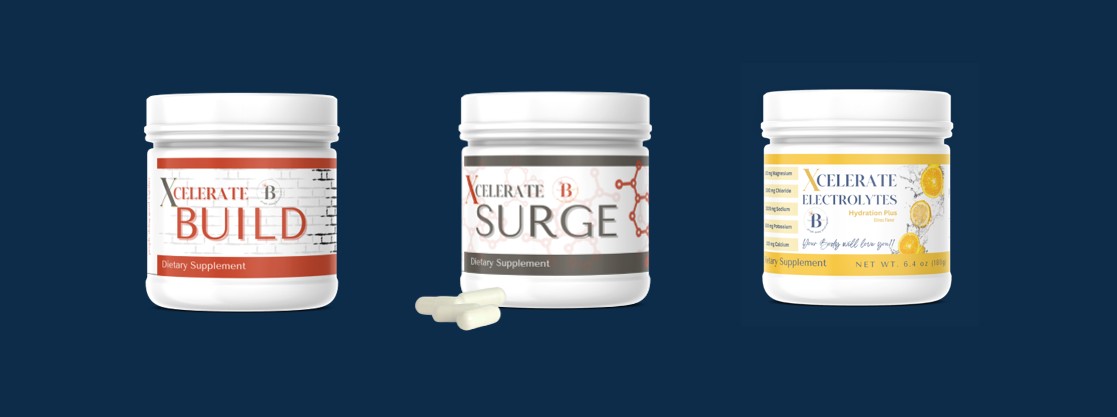
- Before the gym – Amino Acids (Beneve Surge)
- At the Gym – Electrolytes (Beneve Electrolytes)
- Home from the Gym – Whey Protein Shake (30 grams of protein) and 2 hard-boiled eggs (13 grams)
- Lunch – (1) thin sliced chicken breast (45 grams) and green vegetable.
Note- I buy 2 or 3 packs of chicken breasts and cook them all at once. I store them in the fridge and heat them up for lunch. You could do this even if your work outside the house. - Just after lunch – Creatine (Beneve Build) 5 grams, and Beneve G3 for gut health.
- Afternoon – Whey Protein Shake (30 grams)
- Dinner – Steak, Pork, Fish (60 grams) with green vegetables, and/or salad.
- Before Bed – Fish Oil, Vitamin C, Magnesium and Vitamin D supplements.
Total protein intake - 178 grams of protein. Well, within my suggested range and toward the higher end of 195.
Depending on your lifestyle, this may seem either rather easy to follow or more on the difficult side. For me it was easy. But I work from home. If you work at an office or are on the road for work, this might be harder, for sure. Even if you simply make some improvements over your diet and add these supplements, you’ll most definitely get better results from your workouts.
Strength Training Supplementation for Men Over 50
When I take supplements throughout the day is listed above. The supplements I take are listed below for easy reference.
You’ll see that I list the brand name of the products. I do not endorse Now supplements or Elevation whey protein shake. These just happen to be the brands that I buy. However, I do endorse, recommend, and am compensated from any purchases that are made by Beneve.
Beneve is a company that I am very proud and confident to represent. I have known the Founder and Owners for 8 years. I have MC’d their national conference 4 times. Their Medical Advisory Board is made of highly credentialled people in the medical field and I hosted their Medical Advisory Board Panel recently in Orlando, FL. I believe in the products because I know what went into the creation, formulation, and production of them.
Beneve Xcelerate Surge Amino Acids
Supports weight training by providing the building blocks needed for muscle repair and growth, helps stimulate muscle protein synthesis, reduce muscle breakdown, and speeds recovery—especially during or after workouts when the body’s demand is highest.
Beneve Xcelerate Build Creatine Monohydrate
Increases strength, power, and lean muscle mass, 5 grams daily. If you take only one supplement while weight training take creatine. For more information on the benefits of creatine visit BSWHealth.com.
Beneve Xcelerate Electrolytes
Helps prevent cramping, provides hydration, supports endurance, and increases the quality of workouts.
Magnesium (200 – 400 mg)
Supports muscle contraction, relaxation, recovery, and increases quality of sleep. The Elevation protein shake has 40 mg of magnesium, and the Beneve Xcelerate Electrolytes has 100 mg. I use the Now magnesium supplement to get the additional 260 mg.
Vitamin D (1000 – 2000 IU)
Supports muscle strength, bone density, and hormone function, making it especially important for active adults and older men. Linked to better muscle performance and reduced injury risk—particularly important for those who strength train or spend limited time in direct sunlight.
Vitamin C (200–500 mg per day while strength training)
Plays a key role in collagen production, which supports tendons, ligaments, and joint health during training. It also acts as a powerful antioxidant, helping reduce exercise-induced oxidative stress, support immune function, and aid recovery by assisting tissue repair and reducing excessive inflammation.
I use the Now brand.
Omega-3 Fish Oil (1000 – 2000 mg while strength training)
Especially beneficial when weight training because it supports muscle recovery, joint health, and overall inflammation control. At these levels, omega-3s can help reduce exercise-induced inflammation and muscle soreness, improve joint comfort and mobility, support muscle protein synthesis, and contribute to heart and brain health. Consistent intake may also enhance recovery between workouts, allowing for better training consistency and long-term performance.
I use the Now brand.
Train Strong. Age Strong.
Strength training diet and supplementation isn’t about chasing numbers in the gym—it’s about building a body that stays strong, capable, and resilient for the long haul. When smart training is paired with a protein-focused diet and targeted supplementation, men can overcome age-related muscle loss, recover faster, protect their joints, and continue making progress well into later decades. The right nutrition strategy doesn’t replace hard work—it amplifies it, helping each workout deliver real returns in strength, energy, and confidence. With consistency, patience, and the right support, strength training becomes one of the most powerful tools men over 50 have to maintain independence, vitality, and a high quality of life.
Continue Exploring This Topic
If this article sparked questions or gave you a new way to think about your health, here are a few related posts that go deeper into the same topic.
The Benefits of Strength Training for Men Over 50

More Energy = More Moments
Feel sharper, sleep better—and share the vitality with someone you love. Our 4-Day Sampler is designed to help men 50+ boost energy, sharpen focus, sleep better, and feel more alive—without the crash.
Start Your 4 Day TransformationGet Practical Health Insights for Men 50+
Join my email list and I’ll send you simple, real-world strategies to help you improve energy, strength, and vitality — without hype or extremes.
Interested in the Beneve Business?
If you’re exploring ways to build income around health and wellness — and want to learn how Beneve works beyond the products
— you can read more here.
Beneve makes absolutely no medical claims with regards to our products, or individual ingredients.
You should consult a physician before starting any workout program.
Disclaimer: MyVitalityReboot.com does earn a commission from Beneve purchases made through links on this site — at no extra cost to you.
This enables us to continue providing high-quality content on health and vitality for men over 50.

Written by Dale Guiducci
Dale is the creator of MyVitalityReboot, helping men over 50 regain energy, strength, and vitality through real-world experience and practical fitness strategies.