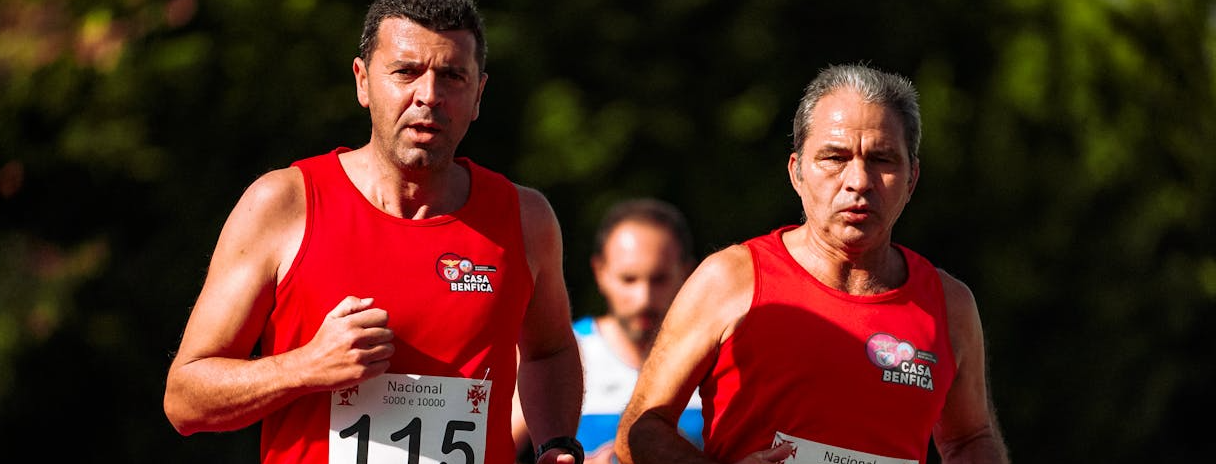
Mens Health After 50
As I write about Mens Health after 50 in April of 2026, I’m about a month away from turning 69 years old. 50 doesn’t "seem" that long ago — but somehow, the time raced by. The older you get, the faster time seems to move.
Unless, of course, you don’t feel good.
Unless you’re not active.
Unless your body won’t let you do the things you enjoy.
In that case, time can crawl.
That’s a big part of why I do everything I can to avoid ending up there.

A Quick Introduction to Me and My Vitality Reboot - Please Watch
At 50, I was still doing most of what I did in my 20s. Not as fast. Not quite as well. But I was active. I played full-court basketball on a cruise ship. I took boxing-style fitness classes at the gym. I even signed up for a sprint triathlon. I nearly drowned — but I made it out of the water and eventually crossed the finish line.
Looking back, my body was already sending signals. I just didn’t recognize them yet.
After 50, things started to change. I experienced anxiety attacks. I gained weight — especially around the waist. Long-distance running became something my knees simply wouldn’t tolerate anymore. My back began to complain, and weekly chiropractor visits became routine. None of it felt catastrophic. It just felt… annoying. Inconvenient.
Then my 60's arrived — and with them, a moment that changed everything.
One night, I urinated blood. A lot of blood. A scan revealed a tumor on my right kidney that needed to come out immediately. Surgery was scheduled for the following week. There was no waiting around.
The good news was that the entire tumor — along with the kidney — was removed successfully. I didn’t need chemotherapy or additional treatment. The surgery likely saved my life.
The recovery, however, wasn't easy.
The incision was about 13 inches long, wrapping from my front around to my back. For weeks, I was either in bed or on the couch. My wife gently pushed me to walk a little more each day. I lost over 40 pounds and felt weak in a way I never had before.
When I finally felt strong enough to return to the gym, I made a mistake. I tried to train the way I always had — like a younger version of myself that no longer existed. I injured my back and had to stop altogether.
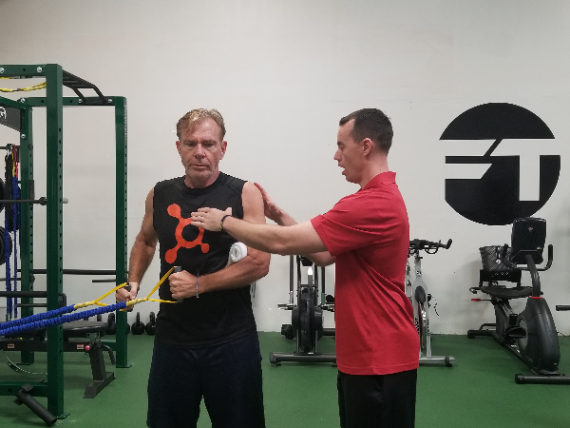
That’s when I was introduced to a personal trainer named Dan. What I learned from him changed how I think about fitness, recovery, and aging. Exercise wasn’t just “working hard” anymore — it was science. Structure. Recovery. Intentionality. For the first time, I began to understand that training after 50 isn’t about doing more. It’s about doing what fits.
That mindset — addressing issues before they become problems, while accepting that perfection isn’t realistic — has shaped everything since.
Today, I live with arthritis in my lower back and big toes. For the first time in my life, I take prescription medications — one for blood pressure and one for cholesterol. Both are borderline. If I still had both kidneys, I might have made a different choice. But with only one left, I decided to err on the side of protecting what I have because high blood pressure can destroy kidneys.
I don’t love the idea of medications. I never have. Side effects are real, and they matter. But aging teaches you something important: you don’t get unlimited do-overs.
Throughout all of this, my wife and I were building a career in network marketing, primarily in financial services. For years, we were top producers and trainers, traveling the country and working with high-performing teams. That path eventually led me to Judy Willodson and her husband, Mark — people whose integrity, leadership, and genuine care for others stood out immediately.
When Judy launched Beneve a few years ago, she did it differently. Slowly. Intentionally. With integrity at the center — in the products, the people, and the culture. She later asked me to emcee one of the company’s early events, and I said yes without hesitation. The people she attracts are the kind of people I want to be around.
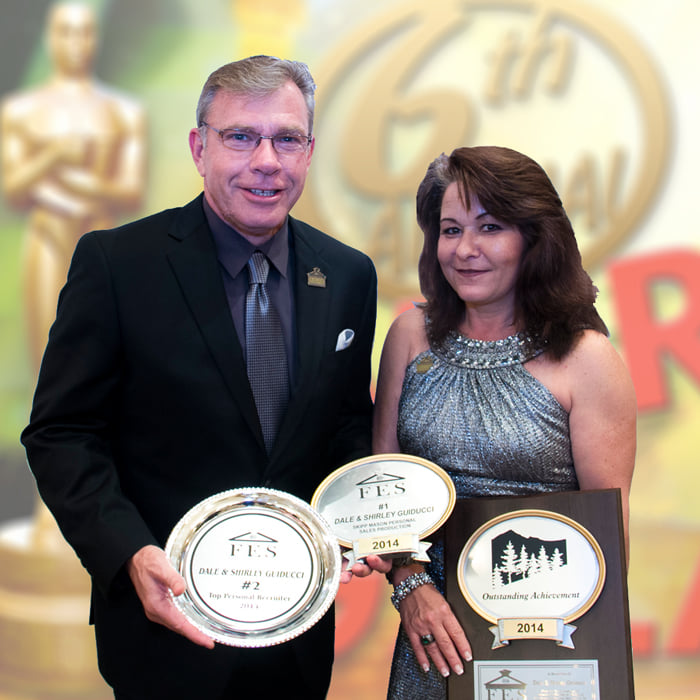
I’ll be emceeing my fourth Beneve event in May of 2026, and I’ve decided to build a business with the company. Part of that decision is personal health — the products support the way I want to age. And part of it is practical. Like a lot of people in this stage of life, I’m realistic about income, retirement, and the rising cost of just about everything. Building a Beneve business is one way I’m choosing to support my health and help fuel my retirement.
I’m not trying to live forever.
I’m trying to live well.
Now that you know a bit about my story — let’s talk about you, your health, and what’s possible after 50.
What Really Changes in Mens Health After 50
When men cross the 50-year mark, something subtle but important begins to happen. Our bodies start to change in ways we don’t fully understand — and for the first time, we don’t have clear answers for what’s going on.
The strategies that kept us healthy and capable in our 30s and 40s quietly stop working. Not all at once. Not dramatically. But consistently enough that we start to notice something is off.
Energy isn’t what it used to be.
Recovery takes longer.
Strength feels harder to maintain.
Joints complain for reasons we can’t quite explain.
It can feel like parts of the body that once ran on autopilot now need attention and support.
This isn’t failure. It’s biology.
After 50, the body becomes less forgiving. Hormonal shifts, reduced muscle protein synthesis, slower recovery, and changes in metabolism all begin to stack up. The systems that once compensated for stress, poor sleep, or missed workouts no longer do so quietly.
What’s frustrating is that most men were never taught how to adjust.
Why “Doing What You’ve Always Done” Stops Working
For most of our adult lives, staying healthy felt straightforward:
- Work hard
- Stay active
- Push through discomfort
- Deal with problems when they show up
That approach works — until it doesn’t.
After 50, intensity without intention often leads to injury. Ignoring recovery leads to fatigue. And pushing through pain can turn small issues into chronic ones.
The rules of the game have changed.
Unfortunately, many men don’t realize this until something breaks — a shoulder, a knee, their sleep, or their energy levels. That’s usually when the medical system enters the picture.
The Gap in Traditional Healthcare with Mens Health After 50
When something hurts badly enough, we do what we’re supposed to do: we go to the doctor.
Doctors are excellent at diagnosing problems. They run tests. They order imaging. They identify what’s broken. And in many cases, they can fix it — with surgery, medication, or medical intervention.
What they don’t typically help us with is how to support what’s still working.
There’s very little conversation about:
- Maintaining energy before it’s gone
- Preserving strength before it disappears
- Supporting joints before pain becomes chronic
- Protecting gut health, sleep, and recovery before they unravel
So men are left in a confusing middle ground — not “sick enough” for aggressive treatment, but clearly not thriving.
That uncertainty breeds frustration.
The Real Mistake Most Men Make After 50
If you asked most men in their 30s what they were doing wrong with their health, they’d probably have an answer.
After 50? Many of us don’t.
The biggest mistake isn’t laziness or lack of discipline.
It’s using outdated strategies for a changing body.
We assume:
- Less energy means we’re “just getting older”
- Joint pain is unavoidable
- Strength loss is permanent
- Sleep issues are normal
None of that is entirely true — but it does require a different approach.
Mens Health After 50 - The Core Pillars That Matter Most Right Now
At this stage of life, everything is connected. But some areas demand more attention because they influence everything else.
These are the foundations I focus on today:
- Energy & Vitality – because everything flows from how you feel day to day
- Sleep – the most underrated recovery and hormonal tool we have
- Body Composition – preserving muscle while managing fat becomes critical
- Mobility & Joint Comfort – not just pain relief, but freedom of movement
- Strength – the strongest predictor of independence as we age
- Gut Health – digestion, inflammation, immunity, and nutrient absorption all start here
None of these exist in isolation. When one declines, others tend to follow.
The Fears We Don’t Talk About
Most men won’t say this out loud, but it’s there under the surface.
There’s a fear of decline.
A fear of looking weak.
A fear of embarrassment — in the gym, with our partners, or with our peers.
And increasingly, a fear of injury that could sideline us permanently.
Those fears will either cause many men to do nothing at all, or to take action. Fight or flight...
Ironically, doing nothing is the one choice that almost guarantees decline. Here at My Vitality Reboot we are focusing on what action to take!
A Better Way Forward for Mens Health After 50
The goal after 50 isn’t to dominate, punish your body, or chase unrealistic standards.
The goal is to:
- Stay capable
- Stay independent
- Stay engaged
- And feel confident in your own skin
That requires a calm, informed, and sustainable approach — one built on understanding how the body changes, not fighting it.
This site exists to help make sense of those changes and provide practical ways to support your health now — not ten years ago.
And from here, we’ll break each of these pillars down in more detail, starting with the one most men care about first:
Energy.
Energy and Vitality After 50
Why feeling tired isn’t a character flaw — and what to do about it
One of the first things most men notice after 50 isn’t pain or weakness.
It’s fatigue.
Not the “I stayed up too late” tired.
Not the “I had a hard workout” tired.
It’s a quieter, more frustrating kind of low energy.
You wake up already feeling behind.
Your afternoons drag.
Your motivation fades faster than it used to.
And somewhere in the back of your mind, a question starts forming:
“Is this just how it’s going to be now?”
Here’s the truth most men are never told:
Low energy after 50 is common — but it is not inevitable.
Why energy changes after 50
Up to this point in life, your body has done a remarkable job of compensating for bad sleep, stress, skipped meals, and inconsistent exercise. You could push harder, recover faster, and “power through.”
After 50, those internal safety nets start to thin.
Several things are happening at once:
- Hormonal signaling becomes less efficient
(especially testosterone, growth hormone, and cortisol balance) - Cellular energy production slows
Your mitochondria — the engines inside your cells — don’t fire as cleanly as they once did - Sleep quality declines, even if total sleep time doesn’t.
You may spend more time in bed but get less restorative sleep - Inflammation quietly increases
Low-grade inflammation drains energy long before it causes pain - Nutrient absorption isn’t as strong
You may be eating “fine” but still running nutrient deficits
None of this means your body is broken.
It means your body now needs support instead of brute force.
The biggest mistake men make with energy
Most men respond to low energy the same way they did at 35:
- More caffeine
- More willpower
- More pushing
- Less rest
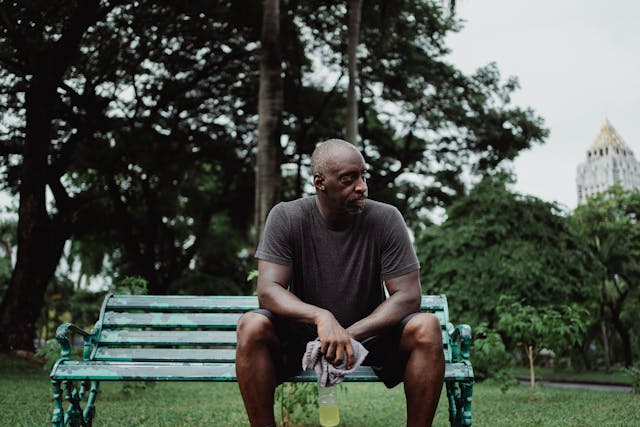
That approach might work for a short time — but it always backfires.
When energy is low after 50, the answer is not more stimulation.
The answer is better foundation.
Energy is not something you “turn on.”
It’s something you earn by supporting the systems underneath it.
What real energy actually is
Energy isn’t just feeling alert.
True vitality shows up as:
- Steady energy throughout the day (not spikes and crashes)
- Motivation to move, train, and engage
- Mental clarity and emotional resilience
- Faster recovery from workouts and stress
- Confidence in your physical presence
When men lose energy, what they’re really afraid of losing is capability.
And beneath that fear is something even deeper:
“Am I starting to decline?”
That fear is understandable.
It’s also premature.
Rebuilding energy the right way
At this stage of life, energy comes from alignment, not extremes.
That means paying attention to:
- Sleep quality (not just sleep time)
Deep, restorative sleep is where hormones reset and tissues repair.
This often requires calming the nervous system, not sedating it.
- Metabolic support
Your cells need the right raw materials to produce energy efficiently — not just calories.
- Movement that energizes instead of depletes
Training should leave you feeling better two hours later, not wrecked for two days.
- Stress regulation
Chronic stress quietly drains energy even when life “looks fine” on paper.
- Strategic supplementation
Not more supplements — the right ones, used intentionally.
This is where many men finally realize:
What worked in my 30s isn’t wrong — it’s just outdated.
A mindset shift that changes everything
Energy after 50 isn’t about chasing youth.
It’s about protecting momentum.
It’s choosing to support your body before something breaks — not after.
It’s understanding that needing support doesn’t mean weakness.
It means wisdom.
And most importantly, it’s refusing to accept exhaustion as the price of aging.
Because it’s not.
I didn’t wake up one day and decide that I had an energy problem. It crept in slowly, gradually. I was still working out. Still staying active. Still doing what I’d always done — yet something felt off. I didn’t feel broken, just… muted. Less spark. Less drive.
At first, I assumed my body was starting to fail me. What I eventually realized was far more encouraging: at this stage of life, my body wasn’t failing — it was asking for a different kind of support.
How I Support Energy & Vitality After 50
By the time we reach our 50s and beyond, the energy problem usually isn’t about motivation or willpower. It’s about biology, recovery, and consistency.
At this stage of life, energy doesn’t come from pushing harder — it comes from supporting what’s already working and rebuilding what’s quietly declining.
That’s where targeted supplementation can make a real difference.
I didn’t go looking for a supplement company to partner with. But my previous business relationship with the Founder of the company led me to discovering that their products were exactly what I needed when I needed them.
Why Supplements Matter More Now Than Ever
As we age:
- Our cells produce energy less efficiently
- Nutrient absorption declines
- Sleep becomes lighter and more fragmented
- Recovery takes longer — even from “normal” activity
You can be doing all the right things — eating reasonably well, staying active — and still feel flat.
Supplements, when chosen carefully, help fill the gaps that lifestyle alone no longer covers.
Not to replace healthy habits —
but to support them.
How I Use Beneve for Energy & Vitality
I want to be very clear about something:
I don’t believe in taking everything.
I believe in taking what fits.
For energy and vitality, I focus on products that support:
- mitochondrial function (where energy is actually made)
- sustained mental clarity, not spikes and crashes
- physical stamina without stressing the nervous system
These products aren’t about feeling “amped up.”
They’re about feeling steady, capable, and resilient — the kind of energy that lets you train, recover, work, and enjoy life without constantly feeling behind your body.
That’s the difference.
My Promise to You
I don’t recommend products lightly.
I don’t recommend products I don’t understand.
And I don’t recommend products I wouldn’t use myself.
Everything you’ll see here is filtered through one question:
“Does this genuinely help men our age live stronger, more energized lives?”
If the answer is yes — I’ll explain why.
If it’s not — it doesn’t make the list.
Start With a Simple Foundation
Before adding anything else, make sure you’re doing the basics as consistently as possible:
- Prioritize restful sleep
- Stay hydrated throughout the day
- Eat balanced meals with protein, healthy fats, and colorful vegetables
- Keep movement regular (even gentle walking matters)
These fundamentals create the soil. Everything else — including targeted support — works better when the foundation is solid.
Where to Start If Energy Is Your Biggest Issue
When energy starts slipping after 50, the instinct is to look for a quick fix—more caffeine, harder workouts, pushing through fatigue. I’ve tried all of that. It usually works… briefly. Then the crash comes faster and harder.
At this stage of life, the goal isn’t stimulation.
It’s support.
Before chasing intensity, we need to help the body do what it’s already trying to do—produce energy efficiently, recover properly, and stay resilient under daily stress.
If energy is your primary concern, this is where I suggest starting.
Step One: Support Cellular Energy (Not Just Stimulation)
Most energy problems don’t begin with motivation—they begin at the cellular level.
As we age, mitochondrial efficiency declines. That means your body may still want to produce energy, but it struggles to do it cleanly and consistently. You feel it as:
- Flat energy
- Midday crashes
- Brain fog
- A lack of drive rather than outright exhaustion
This is why I lead with Xcelerate Surge
It’s not a “pump-you-up” product. It’s designed to support how energy is produced and regulated in the body—without forcing the nervous system into overdrive.
I use it on days when I want:
- Clear, steady energy
- Better mental focus
- Motivation without jitteriness
Step Two: Cover the Foundations Most Men Ignore
Here’s something I’ve learned the hard way:
You can do everything “right” and still feel off if your nutritional foundation is shaky.
Hydration, electrolytes, and micronutrient balance become non-negotiable as we age. Even mild deficiencies can show up as fatigue, weakness, or poor recovery.
That’s why my second recommendation is Electrolytes.
Not because it’s flashy—but because it fills a gap most men don’t realize they have.
This becomes especially important if you:
- Work out regularly
- Sweat easily
- Walk, hike, or stay active outdoors
- Feel drained despite “doing all the right things”
 See how Beneve Electrolytes support daily energy and recovery
A Note on “Doing Too Much”
I want to be clear about something.
If you’re low on energy, more products is not better.
I’d rather see someone start with one or two targeted supports, pay attention to how their body responds, and build from there. Energy improves best when the system is supported—not overwhelmed.
Not Sure Which Direction to Go?
If you want to explore the full range of Beneve products I personally use and trust—and see how they fit together—you can do that here:
No pressure. No bundles you “have” to buy.
Just options, guidance, and a smarter place to start.
Sleep & Recovery After 50 — A Personal Reflection
I’ve never been a great sleeper.
My wife can fall asleep on a bed of nails and stay there for ten hours. Me? I’ve always treated sleep like an interruption—something that gets in the way of being productive. Something I have to do once every day, whether I like it or not.
As I’ve gotten older, it’s only become more complicated.
Falling asleep used to be the biggest issue. But now, with daily workouts—either weight training or cardio—I usually fall asleep pretty easily. The real challenge is staying asleep.
Many nights I’m asleep by 8:00 p.m., only to wake up wide awake at midnight or 1:00 a.m., ready to start the day. Getting back to sleep can be brutal. I’ll lie there for hours, trying every visualization trick I know. In my head, I’ve hit more home runs over the Green Monster at Fenway Park than any player in baseball history.
No matter how little sleep I get, I usually power through the next day. I always have. But in the back of my mind, there’s a quieter concern—what this pattern is doing to my health span, not just how I feel tomorrow, but how well my body holds up over the coming years.
There’s no question my circadian rhythm has shifted. I make a point to get morning light whenever I can, but most days I’m driving to the gym before the sun even rises.
I also learned—through some trial and error—that my cortisol levels were likely running way too high. Part of that came down to diet. I used to snack between meals constantly, mostly on “healthy” protein bars, so I assumed it was fine. Turns out, it wasn’t.
Now I stick to three meals a day, centered around protein and vegetables, and I avoid snacking—especially after dinner. That single change has made it noticeably easier to fall back asleep when I wake up during the night.
Another shift has been my tolerance for stress. It’s far lower than it used to be. Instead of fighting that, I’ve learned to manage it—controlling what I can and avoiding what I don’t need. That’s actually been a positive change. Stress wears me out faster now, and pretending otherwise only makes things worse.
Sleep may still be a work in progress for me, but understanding how it’s changed—and what influences it—has made a real difference.
Sleep & Recovery: Why It Matters with Mens Health After 50 More Than You Think
One thing I’ve learned over the last few years is this: sleep problems after 50 aren’t random. Nearly every aging man I know is affected in some way. The real difference isn’t whether we have sleep issues—it’s how we deal with them.
I have a good friend who tells me he hasn’t had a truly good night’s sleep in years. He’s retired now, so on the surface there’s no pressure—no alarm clock, no deadlines, no boss to answer to. But over time, I’ve watched his world slowly shrink. He does less each day. He has less energy. Less motivation. Less spark.
The biggest obstacle for him isn’t lack of time or lack of opportunity.
It’s that he’s quietly accepted poor sleep as “just part of getting old.”
That’s where I part ways with that belief.
I do believe sleep changes as we age. Hormones shift. Recovery slows. Stress shows up differently. Nighttime wake-ups become more common. All of that is real.
But I don’t believe we’re meant to surrender to it.
Poor sleep isn’t just about feeling tired the next day. Over time, it affects nearly every part of life:
- Daily energy and motivation
- Mental clarity and focus
- Mood, patience, and stress tolerance
- Workout recovery and physical strength
- Weight management and metabolism
- Even the desire to engage fully with life
When sleep suffers long enough, something subtle happens—we lower the bar. We stop expecting to feel rested. We stop believing improvement is possible. And eventually, we stop trying.
I’m not willing to accept that as the default path for men after 50.
Sleep can be harder as we age—but it doesn’t have to be hopeless. With better habits, smarter support, and a willingness to challenge the “this is just aging” narrative, meaningful improvement is absolutely possible.
This isn’t about chasing perfect sleep.
It’s about refusing to give up on one of the most important foundations of health, recovery, and vitality.
If you’re reading this and thinking, “That sounds a lot like me,” know this:
You’re not broken.
You’re not alone.
And you’re not done yet.
In the section that follow, I’ll share what I’ve learned about improving sleep and recovery after 50—what actually helps, what’s worth your attention, and how to start making progress without overwhelm.
How to Improve Sleep After 50 — Real Help That Works
Sleep issues after 50 are rarely random. They’re usually the result of several systems drifting out of balance over time.
That’s important to understand, because it means better sleep doesn’t start with knocking yourself out at night — it starts with supporting your body during the day.
For most men, sleep problems after 50 come down to a combination of:
- Dysregulated energy
- Elevated stress and cortisol
- Nutrient depletion
- Circadian rhythm shifts
- Reduced recovery capacity
When those systems are supported properly, sleep often improves as a byproduct — not a battle.
Start With the Big Picture
If you’re waking up too early, tossing and turning, or feeling wired but tired, the goal isn’t just more sleep — it’s better recovery.
Here are the foundational areas that matter most.
1. Regulate Energy During the Day
Poor sleep is often downstream of unstable energy.
When your energy crashes in the afternoon, or you rely on constant stimulation to push through the day, your nervous system never really downshifts at night.
What helps:
- Consistent meals instead of constant snacking
- Enough protein earlier in the day
- Supporting mitochondrial and cellular energy so your body doesn’t feel “threatened” at night
When daytime energy becomes more stable, nighttime stress often drops with it.
Better energy regulation during the day → less stress at night
2. Reduce Cortisol Load
Many men over 50 aren’t under acute stress — they’re under constant low-grade stress.
Training hard, under-recovering, undereating key nutrients, poor sleep, and mental pressure all stack up. Eventually, cortisol stays elevated when it should be falling.
What helps:
- Reducing unnecessary stressors
- Avoiding late-night eating
- Creating a consistent wind-down routine
- Supporting stress response systems nutritionally
When cortisol settles, the body feels safer — and sleep comes easier.
3. Support Nutrient Balance
As we age, our ability to absorb and utilize nutrients declines, even if our diet hasn’t changed.
Key systems involved in sleep — the nervous system, muscles, and hormonal signaling — are all nutrient-dependent.
What helps:
- Ensuring adequate daily hydration
- Supporting mineral and electrolyte balance
- Avoiding depletion from overtraining or chronic restriction
Improved nutrient balance → more stable nervous system signaling
4. Respect Circadian Changes
Sleep timing does shift with age. Fighting that reality usually makes things worse.
Many men fall asleep earlier and wake earlier — and that doesn’t mean something is “broken.”
What helps:
- Morning light exposure when possible
- Consistent wake times
- Accepting that sleep may come in slightly different patterns than it did at 35
The goal isn’t to force eight perfect hours — it’s to maximize recovery within the rhythm your body now prefers.
Where Beneve Fits In
While Beneve doesn’t currently offer a dedicated sleep supplement, many of its formulations support the systems that influence sleep when used as part of a bigger strategy.
Specifically, Beneve products can help support:
- Energy regulation during the day, which lowers nighttime stress
- Nutrient balance, which stabilizes nervous system signaling
- Hydration and electrolyte balance, which can reduce sleep disruptions
- Stress response systems, helping the body downshift more effectively
In other words, Beneve helps you build the foundation for better sleep — not force it.
The Reframe That Matters Most for Mens Health After 50
Sleep after 50 isn’t about chasing sedation.
It’s about creating conditions where your body feels safe enough to rest.
When energy, stress, nutrition, and recovery are supported consistently, sleep often improves naturally — sometimes gradually, sometimes noticeably — but almost always sustainably.
And that’s the kind of progress that protects not just how you feel tomorrow, but your health span for years to come.
If sleep is one of your biggest challenges right now, the best place to start may not be your bedtime — it may be how you support your body throughout the day.
Body Composition After 50 — What Really Changes (And What Still Works)
In 2012, my wife and I were deep into CrossFit.
I was 55. She was 45. We looked great. We felt strong. High-intensity workouts, heavy lifting, short rest periods — the whole deal. Then life shifted.
We sold our house in San Diego and moved to Florida. We stayed active. We hiked. Rode bikes. Walked the beach. We even ran three miles together once a week.
On paper, we were doing everything right.
But something subtle started to change.
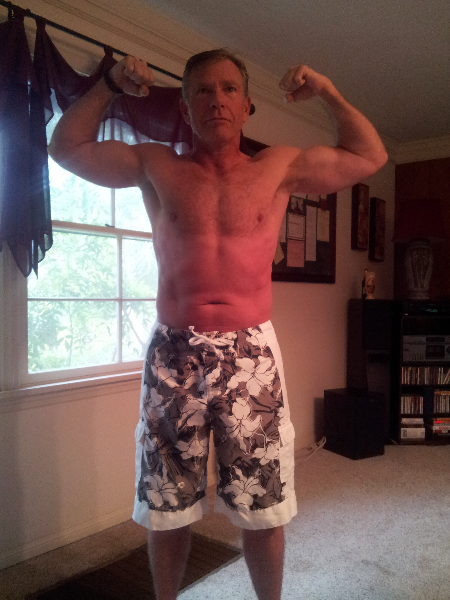
Without the strength training and HIIT intensity that CrossFit demanded, my body composition slowly shifted. I didn’t get fat. In fact, people would still say I was in great shape “for my age.” But I knew something was different. The lean look was gone. My body felt softer.
What I didn’t realize at the time was that this was the beginning of a decline — not a dramatic one, but a quiet, gradual one.
When the Decline Becomes Obvious
Six years later, I was diagnosed with kidney cancer.
The surgery and recovery were brutal on my body. I lost 40 pounds. Muscle disappeared. Strength vanished. The road back wasn’t quick, and it wasn’t easy.
Once it became clear that the cancer was gone — even though I was left with just one kidney — something else happened.
I relaxed.
Not in a reckless way. More like relief. For a few years, I was just happy to be alive. I stopped maintaining my body with the same discipline I had before.
My weight crept up.
190 turned into 200.
Then 210.
Then 220.
As I write this, I’m at 212, with an initial goal of getting back to 200.
That may not sound dramatic, but for your body — especially after 50 — those plateaus matter.
What I Know for Certain Now
Here’s the good news.
At nearly 69 years old, I can tell you without hesitation:
- Weight training does build muscle
- It does change body composition
- It does make you stronger
The idea that you can’t get stronger after a certain age — or that man boobs and softness are inevitable — simply isn’t true.
But here’s the other truth.
Fat loss doesn’t come as easily anymore.
Everything still works — it just works slower.
That means patience matters. Consistency matters. Two things I wasn’t very good at when I was younger.
The Non-Negotiable Reality
The biggest shift I’ve had to accept is this:
If I want to look and feel young, I cannot stop moving my body.
"A body in motion stays in motion."
The gym.
Bike riding.
Hiking.
These aren’t phases anymore. They’re part of my life now.
To stop is to concede — and I’m not willing to do that. Fortunately, I enjoy them. That helps.
What Changed About How I Train
What I have had to learn is that working out harder and longer isn’t the answer anymore.
Recovery matters just as much as the workout.
Listening to my body matters more than sticking to a rigid plan.
Some days I push.
Some days I cut it short.
Live to fight another day.
That shift — from forcing progress to earning longevity — has been one of the most important lessons of my 60s.
The Real Goal After 50
Body composition after 50 isn’t about chasing abs or punishing yourself.
It’s about:
- Preserving muscle
- Maintaining strength
- Supporting metabolism
- Staying capable, confident, and mobile
Fat loss becomes a secondary effect of doing the right things consistently, not a battle you win through extremes.
And while progress may be slower now, it’s also more meaningful — because every pound of muscle preserved and every bit of strength retained protects your independence and your health span.
You’re not broken.
The rules have just changed.
And once you understand that, you can start playing the game again — smarter this time.
Supporting Body Composition After 50 — Without Beating Yourself Up
One of the hardest lessons after 50 is realizing that body composition isn’t just about willpower anymore.
You can train consistently.
You can eat reasonably well.
And still feel like progress comes slower than it used to.
That’s because muscle maintenance, fat loss, and recovery are now deeply tied to cellular energy, nutrient balance, and stress regulation — not just calories burned.
This is where support matters.
Where Beneve Fits In to support body composition
While no supplement replaces training, movement, or nutrition, Beneve focuses on supporting the underlying systems that make body composition changes possible after 50.
Specifically, Beneve formulations are designed to support:
- Cellular and mitochondrial energy
Which helps you train with consistency instead of burning out or skipping sessions. - Recovery and stress balance
Making it easier to preserve muscle and avoid the chronic fatigue that stalls progress. - Hydration and nutrient utilization
Which becomes increasingly important for muscle function, metabolism, and overall performance as we age.
This isn’t about chasing rapid fat loss.
It’s about creating the conditions where strength is maintained, muscle is preserved, and fat loss can happen steadily over time.
Why This Matters More Than Ever
After 50, muscle is currency.
It supports:
- Metabolic health
- Joint stability
- Balance and mobility
- Long-term independence
Anything that helps you train consistently, recover better, and avoid breakdown plays a role in protecting that muscle — and that’s where targeted support can make a real difference.
The goal isn’t perfection.
It’s momentum.
And momentum comes from stacking small, supportive decisions — not forcing your body to do what it no longer responds to.
Once strength and body composition are supported, the next challenge most men face is staying mobile and pain-free — because movement only helps if you can move without pain.
Mobility & Joint Comfort After 50 — Keep Moving, But Move Smarter
I’m not exactly sure when joint stiffness and aches first showed up for me.
It wasn’t a dramatic moment. Nothing tore. Nothing snapped. It just felt like one day my joints started sending messages I hadn’t gotten before—and I assumed they’d be temporary.
They weren’t.
Interestingly, my upper body hasn’t been much of an issue. Shoulders, arms, back—I’ve been fortunate there. But my knees have been a different story. Running and jumping the way I used to? That’s no longer on the table.
And that raised some real questions.
Should I keep running because it helps?
Or stop running because it hurts?
Should I still do box jumps because they’ll strengthen things—or avoid them entirely?
For a long time, my mindset was simple: If something hurts, use it. Stop using it and it gets worse.
That belief has served me well in some ways—and challenged me in others.
When “Pushing Through” Needs Adjusting
What concerns me most now isn’t even my knees. It’s my big toes.
Arthritis, no doubt. Persistent pain. The kind that doesn’t magically warm up and disappear.
And yet—I still walk. I still train. I still use the treadmill and the elliptical. Stopping altogether isn’t an option for me. I have an appointment with a podiatrist this month, and I’m open to whatever it takes—shots, procedures, even surgery if necessary.
Because here’s the truth:
I cannot stop moving.
Joint pain, to me, isn’t a signal to quit. It’s a signal to adapt.
Less intensity? Sometimes.
More warm-ups? Always.
Stretching at the end? Non-negotiable.
Street running is over for me—the pounding just isn’t worth it anymore. But interval running on a treadmill still works. Hiking is still a joy. I walk every single day. Not always 10,000 steps, but often close—and plenty of days I’m in the 13–15,000 range.
Movement is still my anchor.
The Real Shift After 50
The biggest change hasn’t been whether I move—it’s how I move.
Mobility after 50 isn’t about ignoring pain or muscling through everything. It’s about protecting your joints by strengthening the muscles around them. It’s about choosing movements that support longevity, not just intensity.
I actively look for exercises that:
- Strengthen the muscles around my knees
- Reduce unnecessary impact
- Allow me to keep training tomorrow, not just today
Recovery matters more now. Listening to my body matters more now. And knowing when to modify instead of push through blindly—that’s wisdom, not weakness.
Aging Well Means Staying in the Fight
I dread the day—if it ever comes—that I can’t be active.
I can’t imagine sitting on the couch, accepting decline, and saying, “I just can’t do what I love anymore.” That’s not how I’m wired.
I’ll push until it’s no longer possible to push.
I’ll be smart. I’ll adjust. I’ll get medical help when I need it.
But I will not concede early.
To me, aging well means continuing to do what you love—and what you know is good for you—for as long as you possibly can.
Make adjustments when necessary.
Change the rules when the game changes.
But stay in the game.
Supporting Joints From the Inside Out
One thing I’ve learned is that joint comfort isn’t just about what you do in the gym or on the trail—it’s also about what you give your body to work with.
As we age, collagen production naturally declines. That matters because collagen plays a key role in the health of joints, tendons, ligaments, and connective tissue—the very structures that take the most stress when you stay active into your 50s, 60s, and beyond.
This is one area where I do personally use and recommend support.
Beneve’s Luxe Liquid Collagen Peptides are designed to help support joint integrity, connective tissue, and overall mobility. I don’t view collagen as something that replaces smart training, good warm-ups, or proper recovery—but rather as something that helps support the tissues that allow me to keep moving.
For me, it’s about stacking the odds in my favor:
- Supporting joints and connective tissue as impact adds up
- Helping my body recover from daily movement and training
- Giving myself the best chance to stay active longer
It’s not about eliminating every ache. It’s about continuing to move, adapt, and do what I love—without conceding before I have to.
Learn How Luxe Liquid Collagen Peptides Support Joint Health
Strength After 50 — Why It Matters More Than Ever
I can’t remember a time in my life when I wasn’t in love with sports.
Growing up in New England, the seasons dictated everything. Baseball turned into football, football into basketball, basketball into hockey. When one season ended, another one began. Movement was just part of life.
I discovered basic weight training in high school, but it wasn’t until I was married and into my late 20s that I began to understand why we trained certain muscles certain ways. Through my 30s, 40s, and into my 50s, I liked lifting weights because of how it made me look and feel. Strength was aesthetic. Confidence was a byproduct.
Then came cancer.
After surgery and a long recovery, I atrophied in a big way. I lost over 40 pounds and a frightening amount of muscle. That’s when my relationship with strength training changed completely.
I no longer appreciated it for how it made me look.
I appreciated it for what it gave me back.
And that’s when I learned something important:
Weight training after 50 is not the same game it was when I was younger.
Strength Is Still Possible — But the Rules Change
When I’m in the gym now, I see younger guys lifting more than I do. No doubt about it. And honestly, that doesn’t bother me in the least.
What matters now isn’t comparison.
What matters is progression.
I let my body tell me when it’s ready to move from 20-pound dumbbells to 25s… then to 30s. I don’t force it. I don’t rush it. I wait until my body says yes.
That patience has been one of the biggest shifts for me.
After 50, consistency beats intensity, and slow progression beats ego every single time.
The Biggest Strength Training Mistakes I See
After decades of being in gyms, a few mistakes show up again and again—regardless of age or gender.
1. No warm-up
People walk in and immediately start lifting. No preparation. No activation. That’s an injury waiting to happen.
2. Lifting too fast
There’s a belief that faster is better. It’s not. Muscle development is about control, form, and time under tension. When I see weights flying around, it usually tells me that person has never worked with a personal trainer—and that experience is invaluable, especially as we age.
3. No stretching
Lifting tightens muscles. That’s normal. But tightening without lengthening eventually catches up with you. Skipping stretching is one of the fastest ways to create chronic pain and mobility issues.
My Current Training Rhythm
I train six days a week.
From 6:30 to 8:00 a.m., I give myself time to get to the gym, train, get home, shower, eat breakfast, and start my workday. I strongly prefer morning workouts—afternoon or early evening training can make it harder to sleep at night, and sleep matters more now than it ever did before.
I alternate between weight training and HIIT-style cardio.
A typical cycle looks like this:
- Day 1: Weight training (Back & Biceps)
- Day 2: Treadmill HIIT — 30 minutes
- 5-minute warm-up walk
- 1-minute light jog / 1-minute walk
- Day 3: Weight training (Chest & Triceps)
- Day 4: Elliptical — 30 minutes
- 5-minute warm-up
- 45 seconds hard push / 75 seconds easy
- Day 5: Weight training (Abs & Shoulders)
- Day 6: Treadmill HIIT — same format as Day 2
- Day 7: Rest
- Day 8: Weight training (Leg Day)
I always warm up.
I always stretch.
For my lower back, Cat/Cow and Cobra are non-negotiable. I’ve been doing them for years, and during that time I haven’t had any back issues. I don’t believe that’s an accident.
Side note: I often use ChatGPT to help design my workouts. It’s a simple way to change things up every few weeks, avoid boredom, and train my body slightly differently while still sticking to the basics that matter.
Listening Instead of Forcing
Some days I’m feeling it.
Some days I’m just not.
And that’s okay.
If I’m not feeling strong, I lift lighter. I cut sets. I shorten the session. Because I know there are days ahead when I will feel strong again.
Sleep plays a huge role.
So does stress.
So does recovery.
As I’ve gotten older, I’ve become much more aware of how these pieces work together. Instead of pushing my body no matter what—as I might have in my 20s or 30s—I listen now.
That shift alone has kept me training consistently instead of getting sidelined.
Confidence, Coaching, and Longevity
I don’t talk much in the gym. I’ve got my AirPods in and I’m locked into my workout. But I know younger people notice an older guy showing up consistently and working hard.
Consistency earns respect.
If you’re new to strength training—or restarting after time away—I strongly recommend working with a personal trainer. If the gym feels intimidating, find someone who can train you at home.
My wife and I did CrossFit-style training with a personal trainer in our living room for months using no equipment at all. That built confidence. The gym came later.
The Real Point of Strength After 50
Strength training after 50 isn’t about proving anything.
It’s about building a body that supports the life you want to live.
Warm up.
Lift with intention.
Stretch.
Recover.
Progress slowly.
And above all—stay consistent.
That’s how strength lasts.
Supporting Strength From the Inside Out
Training is still the foundation. Nothing replaces showing up, lifting with intention, and recovering properly. But as we get older, supporting those efforts becomes more important.
While Beneve doesn’t promise shortcuts, some of its formulations are designed to support the demands of consistent strength training—especially for men over 50.
Products like Surge, Build, and Electrolytes are designed to support:
- Energy and focus during workouts, without overstimulation
- Muscle recovery and rebuilding, which becomes slower with age
- Hydration and electrolyte balance, which directly affects strength, endurance, and joint comfort
I use these as support tools, not replacements for smart training. They help me show up more consistently, recover better, and keep progressing—slowly and sustainably.
And at this stage of life, that consistency is everything.
Explore all Beneve performance and recovery products → Shop Beneve
Gut Health — The Foundation Most Men Ignore
I didn’t realize how important gut health was until I was in my late 40s.
I knew something was off. I wasn’t sick, but I also wasn’t feeling as good as I thought I should. My energy wasn’t where it used to be, recovery felt slower, and I just didn’t feel right. That curiosity led me outside the traditional medical system and into the world of holistic practitioners.
One experience still stands out. A practitioner analyzed my blood under a microscope and projected it onto a large screen. Watching bacteria and other “live” organisms floating around in real time was eye-opening. That’s when I first heard the term leaky gut. Whether or not you agree with every aspect of that diagnosis, it was the first time I truly understood that digestion isn’t just about food — it’s about absorption, inflammation, immunity, and overall vitality.
A few years later, my wife committed to a strict liver cleanse diet, and I joined her simply to make cooking easier. We followed it closely for about 30 days. What came out of my system during that cleanse was shocking. I actually saw parasites in my stool. That experience permanently changed how seriously I take gut health.
Since then, I’ve been much more mindful of what and how I eat.
For the last decade, I’ve also had a simple nightly habit: one tablespoon of psyllium in water before bed. It’s kept me regular and, in my experience, helps flush the system effectively. I stay proactive with screenings — colonoscopies when recommended and Cologuard when appropriate. Prevention matters.
Today, I consider my gut fairly resilient. I’m fortunate. I have friends who deal with chronic digestive issues — frequent illness, constant discomfort, long-term medications. What I notice most is that many of them never look beyond conventional medicine. In my opinion, that’s a mistake. There’s a time and place for traditional care, but gut health often benefits from a broader, more holistic approach.
Why Gut Health Matters More After 50
As we age, digestion becomes less forgiving. Poor gut health can quietly undermine everything else you’re working on:
- Energy levels
- Immune function
- Inflammation and joint comfort
- Body composition
- Recovery from workouts
- Even mood and mental clarity
You can train hard, eat clean, and still struggle if your gut isn’t absorbing nutrients efficiently. That’s why I see gut health as the foundation pillar — everything else sits on top of it.
Supporting the Gut from the Inside Out
Good gut health doesn’t require extremes. It requires consistency.
That means:
- Eating real, whole foods most of the time
- Managing stress (chronic stress wrecks digestion)
- Staying hydrated
- Supporting regular elimination
- Paying attention to how foods make you feel
This is also where targeted supplementation can help. Beneve’s G3 is designed to support gut health by nourishing beneficial bacteria and promoting a healthier digestive environment. I view it the same way I view training and mobility work — not a magic fix, but a smart support tool when used consistently.
Aging Well Starts in the Gut
Many men accept digestive decline as “just part of getting older.” I don’t.
To me, aging well means staying curious, staying proactive, and being willing to look under the hood when something doesn’t feel right. Gut health isn’t a glamorous topic, but it may be the single most important lever you can pull for long-term vitality.
Take care of your gut, and everything else has a better chance to work the way it’s supposed to.
Closing Thoughts — This Is a Practice, Not a Finish Line
If there’s one thing I believe more strongly now than ever, it’s this:
stay curious, keep asking questions, do what you know works, be consistent—and never, ever stop.
Men’s health after 50 isn’t about chasing some version of who you used to be. It’s about paying attention. It’s about recognizing that the rules change—and choosing to learn the new ones instead of pretending the old ones still apply. The men who age best aren’t necessarily the ones with perfect genetics. They’re the ones who stay engaged in the process.
I’m not doing all of this because I want to live forever.
I’m doing it because I want to live whatever years I have left well.
That means taking responsibility for my energy, my sleep, my strength, my joints, my recovery, and my internal health. It means adjusting when something stops working instead of quitting altogether. It means accepting that progress may be slower—but it’s still progress. And it means understanding that consistency beats intensity every single time at this stage of life.
This isn’t about fear of aging. It’s about refusing to drift into decline by default. It’s about staying in the fight—not recklessly, not stubbornly—but intelligently, patiently, and with purpose.
Everything I’ve shared here is what I’ve learned by paying attention to my own body, my own setbacks, and my own wins. I don’t have all the answers—and I don’t pretend to. But I do know this: the moment you stop learning, you start conceding.
So learn from what I’ve learned.
And keep learning with me.
This is a journey that doesn’t end—until it does. And until that day comes, I plan to stay curious, stay moving, and stay fully in the game.
Are you with me?
Continue Exploring This Topic
If this article sparked questions or gave you a new way to think about your health, here are a few related posts that go deeper into the same topic.

More Energy = More Moments
Feel sharper, sleep better—and share the vitality with someone you love. Our 4-Day Sampler is designed to help men 50+ boost energy, sharpen focus, sleep better, and feel more alive—without the crash.
Start Your 4 Day TransformationGet Practical Health Insights for Men 50+
Join my email list and I’ll send you simple, real-world strategies to help you improve energy, strength, and vitality — without hype or extremes.
Interested in the Beneve Business?
If you’re exploring ways to build income around health and wellness — and want to learn how Beneve works beyond the products
— you can read more here.
Beneve makes absolutely no medical claims with regards to our products, or individual ingredients.
You should consult a physician before starting any workout program.
Disclaimer: MyVitalityReboot.com does earn a commission from Beneve purchases made through links on this site — at no extra cost to you.
This enables us to continue providing high-quality content on health and vitality for men over 50.

Written by Dale Guiducci
Dale is the creator of MyVitalityReboot, helping men over 50 regain energy, strength, and vitality through real-world experience and practical fitness strategies.