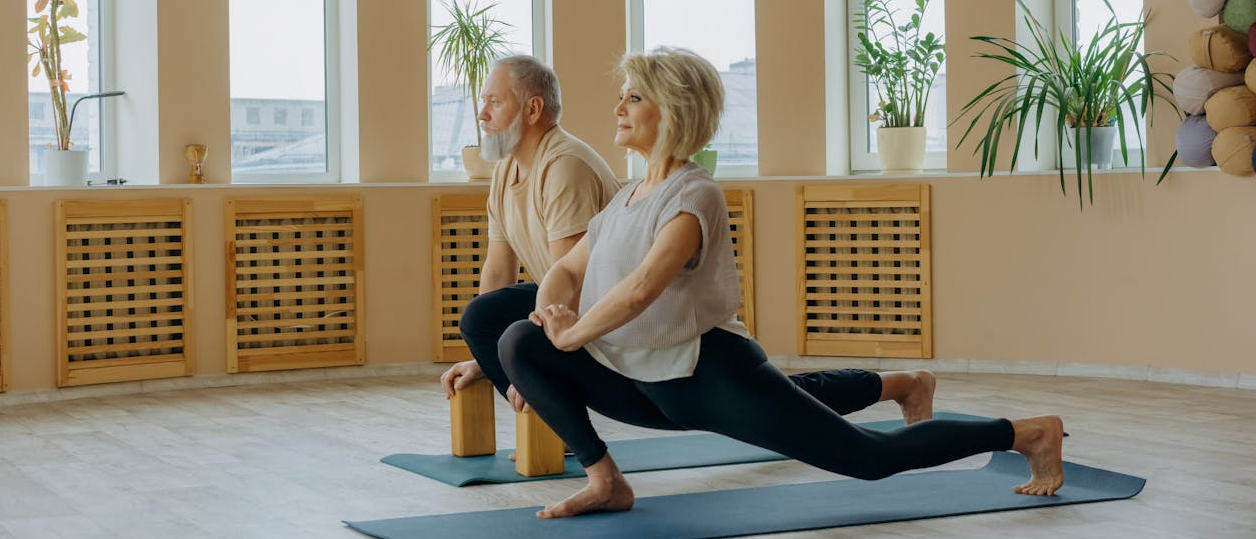
Joint Health & Mobility After 50
Why Pain Isn’t Inevitable—and How Smart Movement Keeps You Independent
If there’s one thing most men over 50 quietly accept too soon, it’s joint pain.
Knees. Hips. Shoulders. Feet.
A little stiffness becomes a lot of caution.
And before long, movement starts disappearing from daily life.
Here’s what I believe—and what experience has taught me:
Joints don’t usually fail just because of age.
They falter because the muscles, tendons, and connective tissue around them weaken and stiffen.
In many cases, it’s not overuse that causes joint problems.
It’s underuse.
When Pain Shows Up, Most Men Do the Wrong Thing
This is the pattern I see all the time.
A knee starts to ache.
A hip feels tight.
A shoulder doesn’t move quite right.
Instead of asking, “What movement will help this?”
Most men ask, “What should I stop doing?”
They avoid the gym.
They stop walking as much.
They wait and hope it goes away.
Sometimes it does—for a while.
But often, it comes back worse.
Motion is medicine.
What stays in motion tends to stay functional.
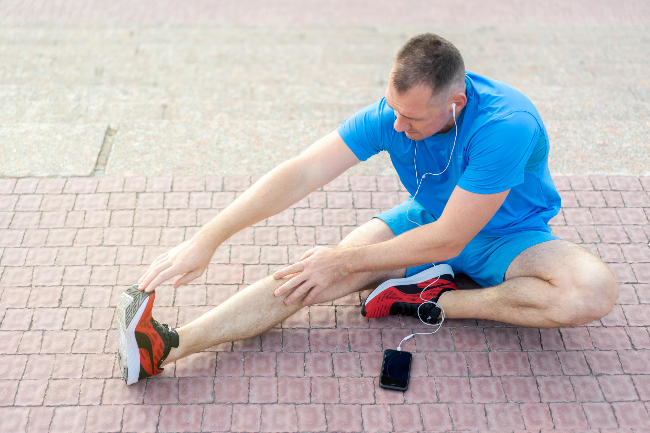
My Experience: Supporting the Joint, Not Avoiding It
I’ve had my share of joint issues.
My knees have bothered me on and off for years. At one point, I was dealing with a meniscus tear. Surgery was on the table.
Instead of immediately going that route, I focused on something else:
Strengthening the muscles that support the knee.
Quads. Hamstrings. Glutes.
By building strength and stability around the joint, I was able to avoid surgery and continue training.
Another area that flares up occasionally is my big toe. I’m currently seeing an orthopedic doctor about it, and it may require a simple procedure to clean out arthritis that’s built up over time.
Other than that, I feel good—and I don’t think that’s an accident.
Daily movement matters.
Joint Health and Mobility After 50
A Better Way to Think About It
Here’s the shift that makes all the difference:
Joint health and mobility after 50 is mostly about support and movement—not avoidance.
Joints are designed to move.
They rely on:
- Strong surrounding muscles
- Flexible tendons and ligaments
- Synovial fluid that only circulates with movement
When you stop moving, joints don’t “rest.”
They stiffen.
Motion Is Medicine (But Smart Motion Matters)
I’m not suggesting you ignore pain or push recklessly.
There’s a difference between:
- Discomfort from rebuilding capacity
- Pain that signals injury
The goal is to find the right kind of movement for the joint—not to stop moving altogether.
That might mean:
- Reducing impact
- Changing range of motion
- Strengthening supporting muscles
- Adding mobility and flexibility work
For example, I’ve stopped running on hard pavement.
If I run now, it’s:
- On a treadmill
- In intervals
- As part of controlled HIIT sessions
That adjustment alone has made a big difference.
What I Do Consistently to Protect My Joints
Nothing fancy. Nothing extreme. Just habits.
Warm-Ups (Every Time)
I never jump straight into training cold yet I see people do it almost everyday at the gym.
A short warm-up increases blood flow and prepares joints to move smoothly.
Daily Stretching & Mobility
This has been huge for me.
I do:
- Cat/cows
- Yoga-style movements
- Gentle mobility work
Nearly every day.
I truly believe this is one of the main reasons I’m still moving well at 68.
Strength Training for Support
Strong muscles take stress off joints.
Weak muscles transfer that stress directly into them.
Nourishing the Joint: Recovery Matters Too
Movement is only half the equation.
Joints, tendons, and connective tissue need the right building blocks to stay resilient—especially as we age.
That’s why Luxe Liquid Collagen plays a central role in my routine.
Collagen supports:
- Joint integrity
- Tendons and ligaments
- Connective tissue health
This isn’t about quick fixes.
It’s about giving your body what it needs to repair and maintain itself so you can keep moving.
If You’re Avoiding the Gym Because of Joint Pain, Read This
You’re not broken.
You’re not “too far gone.”
But doing nothing rarely improves joint health.
The smarter approach is:
- Identify what movement helps the joint
- Strengthen the muscles around it
- Improve flexibility and mobility
- Support recovery through proper nutrition
You have more control than you’ve been led to believe.
Final Thought
Joint pain after 50 is common.
But it’s not automatically a life sentence.
Motion is medicine.
What stays in motion tends to stay functional.
With the right movement, smart adjustments, and proper support, you can protect your joints—and keep your independence—for years to come.
There’s a lot you can control.
And it’s worth taking that control back.

Explore the Complete Men’s Health After 50 Guide
A practical, no-nonsense guide to energy, strength, recovery, and long-term vitality.
Go to Men’s Health After 50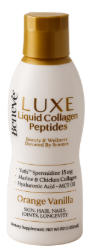
Liquid Collagen For Men Over 50 Who Want Stronger Joints, Healthier Skin, and Confidence That Shows - Learn More
Collagen is a primary building block of Cartilage, Tendons, Ligaments & Connective tissue around joint.s
As we age, natural collagen production declines, which can contribute to:
- Joint stiffness
- Reduced shock absorption
- Slower recovery
- Increased wear-and-tear symptoms
Supplementing collagen doesn’t “regrow” joints overnight, but it supports the raw materials your body uses to maintain and repair joint tissue.
Continue Exploring This Topic
If this article sparked questions or gave you a new way to think about your health, here are a few related posts that go deeper into the same topic.

Get Back to Doing What You Love—Fast
Experience renewed focus, energy, and zest in just 4 days. Our 4-Day Sampler is designed to help men 50+ boost energy, sharpen focus, sleep better, and feel more alive—without the crash.
Claim Your Sampler NowGet Practical Health Insights for Men 50+
Join my email list and I’ll send you simple, real-world strategies to help you improve energy, strength, and vitality — without hype or extremes.
Interested in the Beneve Business?
If you’re exploring ways to build income around health and wellness — and want to learn how Beneve works beyond the products
— you can read more here.
Beneve makes absolutely no medical claims with regards to our products, or individual ingredients.
You should consult a physician before starting any workout program.
Disclaimer: MyVitalityReboot.com does earn a commission from Beneve purchases made through links on this site — at no extra cost to you.
This enables us to continue providing high-quality content on health and vitality for men over 50.

Written by Dale Guiducci
Dale is the creator of MyVitalityReboot, helping men over 50 regain energy, strength, and vitality through real-world experience and practical fitness strategies.