
Living Proof: A Diagnosis That Didn’t Stop Me
I’ve been diagnosed with Hallux Rigidus—arthritis in both of my big toe joints. And yet, I’m still going to the gym four days a week, hiking regularly, and biking without giving up the activities that matter to me.
Yes, I deal with stiffness and pain. I have ordered orthotics designed to limit how much my big toes bend (more on this below). And I use topical foot creams when soreness flares up. But the key takeaway I want to share is this:
A hallux rigidus diagnosis does not automatically mean you have to stop being active.
With the right knowledge, tools, and mindset, it’s very possible to keep moving—and living well—despite big toe arthritis.
What Is Hallux Rigidus?
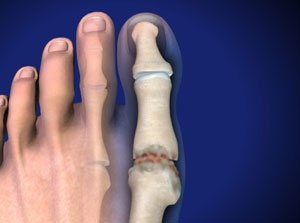
Hallux rigidus is a form of degenerative arthritis that affects the first metatarsophalangeal (MTP) joint—the joint at the base of the big toe. Over time, cartilage in this joint wears down, leading to stiffness, pain, and reduced motion.
It’s actually the most common arthritic condition of the foot, particularly in adults over age 50. Estimates suggest that about 2.5% of adults over 50 have hallux rigidus, and among people already experiencing foot problems, as many as 1 in 4 may be affected. Interestingly, women are more apt to get hallux rigidus than men.
What Causes Big Toe Arthritis?
Hallux rigidus usually develops gradually, but several factors increase the risk:
Common Causes and Risk Factors
- Age-related wear and tear on the joint
- Repetitive stress from walking, running, squatting, or standing for long periods
- Foot structure or biomechanics, such as a longer first metatarsal
- Previous injury to the big toe (including “turf toe”)
- Inflammatory conditions like rheumatoid arthritis or gout
Apparently, activities you did as far back as your teenage years can contribute to developing hallux rigidus later in life. In my case, the specialist I saw agreed that spending years as a baseball catcher—squatting for hours at a time—likely placed repeated stress on my big toe joints and may have played a role in the arthritis I’m dealing with today.
Your Office Chair Can Be a Problem for Your Big Toes
When the pain started flaring up more often than not I started paying attention to things that I hadn't before. Such as how I placed my feet under my desk. I realized that my feet weren't flat. I was puuting pressure on my toes to keep my office chair leaning further back than it wanted to go on its own.
I now where my stiff-heeled hiking sandals and keep my feet flat on the ground when at my desk. It helps.
Who Gets It Most Often?
- Adults over 40–50 years old
- Slightly more common in women
- Active individuals and athletes
- People who spend many hours on their feet for work
Common Symptoms of Hallux Rigidus
Symptoms usually progress slowly and can vary from mild to severe:
- Pain at the base of the big toe, especially during walking or push-off
- Stiffness and reduced upward bending of the toe
- Swelling or inflammation around the joint
- A bony bump or bone spur on top of the toe
- Pain that worsens on hills, stairs, or uneven ground
In advanced stages, pain may occur even at rest.
Treatment Options: From Conservative to Surgical
Non-Surgical Treatments (Often Very Effective)
Many people—myself included—manage hallux rigidus successfully without surgery:
- Proper footwear: Stiff-soled or rocker-bottom shoes reduce joint stress. Note- my wife bought me hiking sandals with a stiff sole. The specialist told me to wear these as often as possible even around the house.
- Custom orthotics: Limit toe motion and reduce pain during walking.
- NSAIDs or topical creams: Help manage inflammation and discomfort
- Activity modification: Adjusting, not eliminating, movement
- Corticosteroid injections: Temporary relief in some cases
I was fitted for custom orthodics but my insurance doesn't cover them. The out of pocket cost was $395. I opted for ordering OTC orthodics from Tega Design. They are made with carbon fiber like the custom variety but the cost is less than $60 shipping included. I haven't yet received them but will report back on how they work.
About 50% of people get meaningful relief with conservative care alone.
Surgery for Severe Cases (Including Fusion)
When pain becomes constant and limiting, surgery may be recommended.
Fusion Surgery (First MTP Arthrodesis)
Fusion surgery permanently joins the bones of the big toe joint, eliminating painful motion. While that may sound extreme, it’s considered the gold standard for advanced hallux rigidus.
What to know about fusion outcomes:
- Around 90% of patients experience long-term pain relief
- Recovery usually involves 3–6 weeks in a boot, followed by gradual return to activity
- The toe no longer bends, but walking, hiking, and cycling are still very achievable
Many active adults return to a high level of function with proper footwear and gait adjustments.
This was suggested to me by the specialist I saw. I had no problem with getting the surgery done. Ironically, even though inusrance wouldn't cover the $395 orthodics, it would cover what has to be a much more expensive surgery. The only reason that I am holding off on this is the recovery. It is 6 weeks in a boot. I have Hallux Rigidus in both of my big toes and you have to do one at a time. That 3 months in a boot. I may opt for this in the future but I want to try the orthodics first.
Long-Term Prognosis
Hallux rigidus is a chronic, progressive condition, meaning it doesn’t reverse on its own. However:
- Symptoms can often be well controlled for years
- Surgery, when needed, can be life-changing
- Quality of life and activity levels can remain high with the right approach
Early diagnosis and proactive management make a huge difference.
REAL RESULTS FROM REAL MEN
READ THOMAS' STORY
Staying Active with Hallux Rigidus
This is the most important part.
Hallux rigidus may change how you move—but it doesn’t have to stop you from moving.
Practical Tips
- Wear shoes that support forward motion without toe strain
- Use orthotics consistently
- Strengthen your legs and hips to improve overall gait mechanics - super important
- Favor low-impact cardio when needed (cycling, rowing, incline walking). I also find that the elipitcal is a good option for lessening the impact on big toes.
- Listen to pain signals—but don’t assume pain means inactivity
I’ve found that staying active actually helps me manage stiffness better than avoiding movement altogether. But it's also the ability to deal with some pain nearly every day. I'm not big on pain meds, even acetaminophen. I don't use tylenol because I want to be kind to my one remaining kidney. I take pain meds sparingly.
A Word on Joint Support from the Inside Out
Supporting joint health from the inside matters too. Products like Beneve Luxe Liquid Collagen Peptides can be part of a general joint-support strategy, helping with overall comfort and mobility. It’s important to be clear, though: supplements don’t prevent or cure hallux rigidus—but they can support joint health as part of a broader plan.
Final Thoughts
Big toe pain is easy to ignore (which I did for years)—until it isn’t. If you’ve been diagnosed with hallux rigidus, or suspect it may be the cause of your symptoms, know this:
You can still live an active, strong, and fulfilling life.
With the right combination of medical guidance, smart movement, supportive gear, and consistency, hallux rigidus becomes something you manage—not something that defines you.
Continue Exploring This Topic
If this article sparked questions or gave you a new way to think about your health, here are a few related posts that go deeper into the same topic.
Rediscover Your Energy in Just 4 Days
Join men 50+ who are still competing, staying active—and feeling younger. Our 4-Day Sampler is designed to help men 50+ boost energy, sharpen focus, sleep better, and feel more alive—without the crash.
Get Practical Health Insights for Men 50+
Join my email list and I’ll send you simple, real-world strategies to help you improve energy, strength, and vitality — without hype or extremes.
Interested in the Beneve Business?
If you’re exploring ways to build income around health and wellness
and want to learn how Beneve works beyond the products — you can read more here.
Beneve makes absolutely no medical claims with regards to our products, or individual ingredients.
You should consult a physician before starting any workout program.
Disclaimer: MyVitalityReboot.com does earn a commission from Beneve purchases made through links on this site — at no extra cost to you.
This enables us to continue providing high-quality content on health and vitality for men over 50.

Written by Dale Guiducci
Dale is the creator of MyVitalityReboot, helping men over 50 regain energy, strength, and vitality through real-world experience and practical fitness strategies.